
Tips for Testing Your Heating System

Heating System tips

Tips for Testing Your Heating System

heatingsystems

One of the most annoying things that can ever happen is dealing with a bum heater in the cold of winter. While DeBary may not be known for its single-digit temperatures, having a quality heating system is still essential to your comfort and safety.

Summer is slowly waning and fall is peeking its head over the horizon, ready to make its entrance into the year. It’s best not to leave everything to the last minute when it comes to making sure your heating systems are in good condition.

In this article we’ll discuss some of the simple ways to troubleshoot your heating issues and when it’s best to work with a professional.

Start By Testing the Thermostat
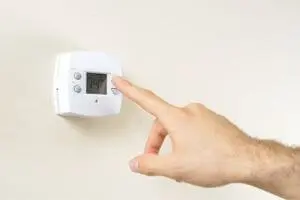
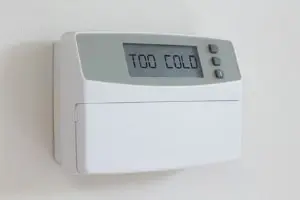
thermostatproblemsThe first step you can take to make sure that everything is functioning properly is to check the thermostat. A thermostat is a device that helps regulate the temperature in your home.

If that does not work then it can be reading the temperature as being 67 degrees Fahrenheit, when it’s actually 57 and the heater won’t turn on because it believes that it is already warm enough.

A good way to check the thermostat is to check it. You can turn it on and off manually to make sure that it is in working order. When you turn it on heat, have someone else standing in front of the vents to let you know whether they feel hot air coming out of the thermostat, if not then that means there is a problem that needs to be fixed, pronto.

Understanding Circuit Breakers

A circuit breaker is an electric switch that built to protect an electrical circuit in case of an overload of electricity or a short. It keeps appliances from being destroyed when there is a fault detected by the circuit breaker.

Some signs that a circuit breaker may be nearing the end of its life are:
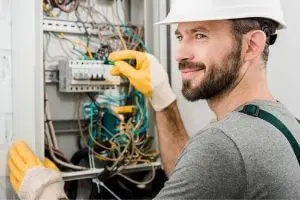
  • circuitbreakerConstant tripping of circuit.
  • The surface of the electrical panel is hot to the touch.
  • There is a metallic burning odor smell.
  • Noticeable sparks when plugging something in.

These signs mean that it is time to replace that circuit breaker. Generally, the issue you’ll be dealing with most is a tripped circuit breaker. While you can always flip it back into the on position easily, if it’s something that’s happening more often than usual, you may be dealing with a more serious electrical issue.

Blowing A Fuse
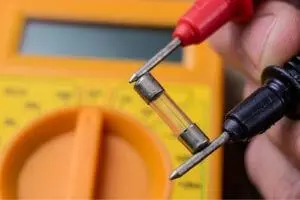
blownfuseWhen all the lights randomly turn off in the house, it means either a trip in the circuit breaker or a blown fuse. A blown fuse is easily noticeable because when you open the electrical panel the metal inside will look discolored, melted or even broken.

If these signs are noticed then it is time to replace the fuse, but be careful when messing with any sort of wiring as it can cause further damage or put you at risk for shock.

When it comes to electrical work, unless you know for sure what you are doing it is always best to get a professional in to fix the problem. At Mid Florida A/C, we are your reliable heating contractors. We can provide you with quality solutions to keep your system in top shape and your home warm when the winter temperatures do roll around.

Why You Should Commit to Your Heating System

commitinghvac

Why You Should Commit to Your Heating System

commitinghvac

Valentine's Day fast approaches, and love is in the air. For some people, however, the thought of a commitment makes them want to run! When it comes to commitments, however, signing up for a comprehensive service plan remains one of the best choices you can make!

With regular service, an HVAC unit should last decades, but if you don't maintain your HVAC system correctly, it might require expensive repairs. After working hard all year to make sure you're comfortable, give your air conditioning and heating system the commitment it deserves!

Get a Service Plan to Avoid a Heating Emergency!

It's been wet and windy this winter. That means your heating system has had to work extra hard to maintain a comfortable temperature. Dirt and airborne particles can clog air flow, putting added strain on your heating system.

Left unchecked, the heater you rely on every day to keep your home comfortable might succumb to a preventable failure. If you want to avoid a heating emergency, you need to find a reliable professional to help keep your heater working at its peak performance. When you sign up for a service plan, you should expect benefits such as:

  • heatingemergencyDiscounts on parts and repairs.
  • No overtime charges.
  • Improved efficiency.
  • And priority service.

Prepare For The Summer: Service Your Cooling System

coolingsystemThe winter won't last forever, and summer is going to be hot! If you haven't replaced the air filters in your AC unit in a long time, now is the perfect time to take care of it.

Research estimates that every home accumulates about 40 pounds of dust and other debris a year. All that dirt can clog your air filter and block your vents.

When you have your air conditioning system professionally cleaned, it not only extends the life of your HVAC unit, it also makes your home a healthier place to live. Proper maintenance is key to protecting the investment you made in your heating and cooling system!

Find a Professional You Trust For Long Term Service

longtermcareYou've spent thousands of dollars to make sure your home stays at a comfortable temperature year round.

If you're like most people, you program your heating and cooling system and leave it running and don’t think much about it.

But working so hard means a lot of wear and tear! If you don't protect your investment, it could end up costing a lot of money to repair or, at worse, replace!

Don't let your investment suffer. Signing up with a professional for a long term service plan is a great way to protect that investment.

When looking for a plan, find a company that gives you upfront pricing; friendly and experienced technicians; and has a history of providing personal attention for every job. At Mid-Florida AC, we have been proudly serving Melbourne Florida since 1980.

We have several service plans to choose from that will fit your budget! And we offer a comprehensive 20 point tune-up to make sure your system is always running at its best. Call us now at (386) 668-8752! A commitment is easy with Mid-Florida AC!

The Road to Becoming an HVAC Technician

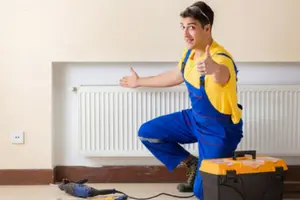
hvactech

The Road to Becoming an HVAC Technician

hvactech

With skilled labor becoming more of a demand than ever, it’s important to get the inside scoop on becoming an HVAC technician. Have you always wanted a career that’s outside of the office?

Enjoy the hands-on approach to fixing problems? Do you have an analytical and problem-solving mind? Add in some basic customer service skills, and you have the foundation the becoming an HVAC technician.

Living in an area like Florida, where temperatures are hot, can make an HVAC technician more in demand than ever. So if you have the interest, read on to learn what it takes to make it in the industry.

The Steps to Becoming HVAC Certified

technicianstepsBecoming an HVAC technician starts with education. Whether you enter an apprenticeship or a technical college, you’re looking at anywhere from 6-months two 2-years of basic education and foundation.

Upon completion of your program, you’ll be required to take a standardized test. This testing is to get your license and certification, which allows you to legally perform work in the state.

All states are different, so be sure to understand the rules and regulations for your area, so you plan your education course accordingly.

What Types of HVAC Repairs Would You Do?

Once you’re certified and licensed and have your first gig, you may be wondering, what exactly is the day of an HVAC technician?

While it will always depend on the number of service calls, most of your work will stick within AC repairs and installations. This can range anywhere from:

  • repairlistEvaporator coil cleanings and air filter replacements.
  • Air conditioner diagnostics.
  • Freon level checks.
  • Blower motor replacements.
  • Electrical inspections.
  • Air handler replacements.

In addition, as your experience grows, you can become more involved with larger scale projects like new system installations, ductwork repairs, and even efficiency testing.

The most important thing is to continue your education. The more you know as an HVAC technician, the more in-demand your skills will become.

Investing in HVAC Tools

Any HVAC technician is always going to be as good as the tools he or she has. On the basic level, you’ll always need a set of pliers, screwdrivers, drills, bits, stud finders, wiring tools, and safety equipment like goggles and gloves. Once you get into the higher levels of HVAC, you’re looking at:

  • Welding equipment
  • Coil fin straightener
  • Electrical meters
  • Leak detectors
  • Hand seamers

In many cases, your employer will provide you with the equipment you need. This is why it’s also a good idea to start with an apprenticeship before striking out on your own.

The Importance of HVAC Education Programs

educationAs a certified HVAC technician, you’ll have to consistently undergo training and education to keep your license in good standing.

This is a good thing as it improves your skills and also keeps you on the cutting edge of new technologies. The more expertise you have, particularly with emerging technology and techniques, the more in demand you will be.

Share this blog with your friends, and be sure to keep doing research. While becoming an HVAC technician requires education and dedication, it’s a rewarding career path that helps homeowners around the country.

Knowing The Ins & Outs of Your Heating System

needstoknow


needstoknow

Although almost every home has a heating system, most homeowners and renters do not know much about it. Unfortunately, this can end up costing a good deal of money when it comes to repairs, partially because maintenance is often left by the wayside.

The easiest way to keep more money in your pocket every winter season is by doing a bit of research and educating yourself on the basics of your heater. We will look briefly into heating systems and the best ways to save on energy costs. Keep reading for more information!

Types of Distribution Systems

The word heater is simply a term for any system that warms your home. It is basically a catchall that can encompass:

  • distributionBoilers that send hot water through pipes in your home to radiate heat.
  • Furnaces that rely on combustion to create heat (electric, gas, or oil-powered).
  • Heat pumps that transfer heat either from the ground (geothermal) or from the air.
  • Fireplaces, space heaters, ductless mini-splits, and radiant floor heating are also considered types of heaters.

The type of heat distribution system your home has can make a huge difference in the type of maintenance required and the money it takes to operate.

Closing The Vents: Not as Efficient as You’d Think

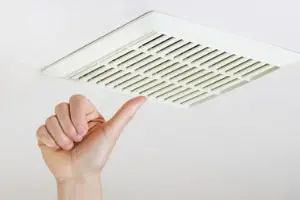
ventIt might seem like a great idea to close the air vents in a room that isn’t being used or is constantly too hot.

However, doing so will likely end up costing you a good bit of money due to the way most heat distribution systems are designed.

Closing your air vents simply creates pressure and undue stress on your ductwork. In addition, the pressure in the closed-off room causes the return duct to work hard at pulling air from the cracks in doors and windows. In theory, closing a vent would save money on energy but in practice, it simply costs you more.

How to Actually Save Money in Winter

moneyIf closing your vents will not save you any money, you don’t have to worry. There are other ways that will work much better.

The first way to ensure your heater is giving you the most ‘bang for your buck’ is by having a professional out to inspect the unit and give it an annual tune-up.

Next on the list is to change your air filters regularly. Other tips to ensure your heater runs efficiently is to ensure there are no leaks in your home--either in your air ducts or from your windows and doors; running your ceiling fans in reverse, and keeping your thermostat set at a reasonable temperature.

Plan & Prepare For Winter

The easiest way you can see savings with your heater each season is to be knowledgeable about the system. Taking the time to learn and research how your home stays warm will allow you to effectively communicate problems to a professional.

If you would like to schedule a tune-up for your heater this winter, give Mid Florida A/C a call today and if you’ve learned a thing or two about your heater, take a minute to share this blog!

You Should Never Ignore Your HVAC System

extracosts

You Should Never Ignore Your HVAC System

“extracosts”When was the last time you checked your HVAC system? Our HVAC system is often taken for granted until, one day, it breaks down. A new installation or repair can be costly. Are you prepared? Is your energy bill too high? Are you or your loved ones constantly plagued with unexplained illness? These are all signs that you may need to pay attention to your HVAC system.

The EPA (Environmental Protection Agency) reports that indoor air quality can often be more polluted than the air outside. Dust accumulation, mold, toxic cleaners, asbestos, furniture glue can result in indoor pollution. Since most of us spend the majority of our time indoors, exposure to dust buildup and other allergens can result in health issues, such as allergies, asthma, headaches, even cancer.

An HVAC system will become clogged with excessive dust and debris in air ducts and drains. Or there may be too little or too much refrigerant in your system. These issues can result in system failure and high utility bills. If you want your home’s HVAC to be safe and efficient, doesn’t it make sense then to have an HVAC maintenance plan?

Keeping Your Energy Bill Low

“paymore”Regular HVAC check-ups performed by licensed professionals is the key to keeping your energy costs down.

Factors such as poor air quality inside your home, excessive dust and other airborne particles will force your HVAC system work harder, thereby using up more energy.

However, a well-maintained HVAC system can prevent high energy costs and guarantee that the air inside is clean and safe to breathe.

Dust Buildup in Your Home

“dustproblems”Excessive dust accumulation in your home is a sign that your indoor air quality could use some improvement.

Dust and other contaminants, such as mold, toxic cleaner fumes, asbestos, your own furniture can result in a variety of health issues.

Regular HVAC maintenance reduces these risks by improving the performance of your system.

Pros of Joining an HVAC Maintenance Program

An HVAC maintenance program will prolong the life of your HVAC system, eliminate costly repairs, and reduce your energy bill. Additionally, you will automatically receive Priority Service and prompt emergency service and no extra cost.

“maintenanceprogram”HVAC Priority Service includes:

  • Routine Tune-Ups
  • Two-Year Parts Replacement
  • Discount off Regular Services
  • Priority Service on All Services
  • No Diagnostic Fees
  • 100% Satisfaction Guarantee

An HVAC tune up is recommended at least once a year by a licensed professional who will:

  • Lubricate moving parts
  • Flush drain lines
  • Tighten & adjust connections
  • Check evaporator coil
  • Test temperature splits
  • Calibrate thermostat
  • Clean & calibrate blower
  • Clean & adjust burner assembly
    • Monitor starting capabilities
    • Check volts & amps motors
    • Check filters and drains
    • Check carbon monoxide levels
    • Calibrate pressures and thermostat
    • Clean condenser coil
    • Check heat exchanger for cracks
    • Test all safety controls

Say goodbye to HVAC problems by joining a system maintenance program. Ensure years of reliable HVAC performance and safety for your home and family by calling Mid Florida A/C to discuss HVAC maintenance plans.

Keep Your Home Nice and Toasty While Saving on Your Energy Bill

Energy Efficient

Keep Your Home Nice and Toasty While Saving on Your Energy Bill

Energy Efficient

For many homeowners, winter means one thing: having to spend twice as much on your energy bills just to make your house as comfortable as it is the rest of the year.

Luckily, there are some winterizing steps you can take that will make your home less drafty and more efficient, and not only does this mean that your home will be warmer this winter, but it also means you'll have to use less energy and spend less money to accomplish this.

Reverse Your Ceiling Fan for the Winter Months

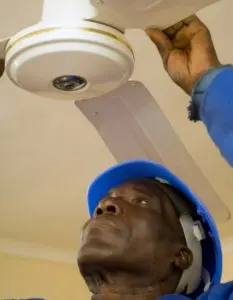
Ceiling Fan During the summer, the purpose of a ceiling fan is to create a cooling breeze that combats the Debary, FL summer heat. In winter, however, there's no oppressive heat to combat, so this cooling breeze can make you chilly and uncomfortable.

The good news is that the rotation of the ceiling fan blades can be reversed, and not only will this get rid of the chilly draft, but it will also help distribute heat more evenly.

In winter, switch your ceiling fans so the blades rotate clockwise. This way, the fan will pull up cool air from the ground level and push warm air back down to the ground, making the room feel warmer. Just make sure the fans are running at low speed.

Using Caulk to Make Your House More Efficient

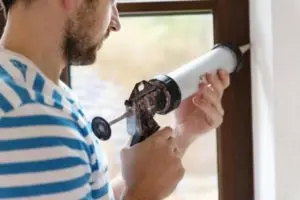
Window Caulking Caulking is a cheap and easy to install fix that will seal leaks and cracks around your windows, and this means cool outside air won’t be able to sneak in, and warm air from inside your house will stay where it belongs.

To start, remove any old caulking from around the outside of your window frame using a putty knife with a stiff blade.

Then, wash the area with soapy water, and dry it with a clean cloth. Finally, apply fresh caulk to seal holes and cracks around the frame, and press the bead into the seam with your finger.

Insulating Drafty Windows from the Cold

Your house wouldn’t be nearly as bright, warm, or inviting without your windows, but windows can also make your home cooler and less efficient, especially if they're older and haven't been updated with newer, more energy-efficient ones.

The good news is that you can still insulate your windows to reduce drafts and make your house warmer, and here are a few different ways to accomplish this:

  • Insulated WindowsUse weather stripping to stop drafts, noise, and bugs from sneaking in.
  • Cover the glass with heavy duty plastic, bubble wrap, or insulating shrink wrap.
  • Remove summer shears and put up heavy drapes made of thicker fabric.
  • Install storm windows if you have them.
  • Use a pane of acrylic to replicate the effect of a storm window.

With these few simple winterizing steps, you can keep your home warmer for less, and save money even after turning the heating system up.

Plus, you'll have a more comfortable house for the cooler months, and may not even notice that winter has arrived! Around the holidays, you'll also appreciate the savings on your energy bills, because you'll have more to spend on food, gifts, fun, vacations, and other things.