Air Conditioning Basics

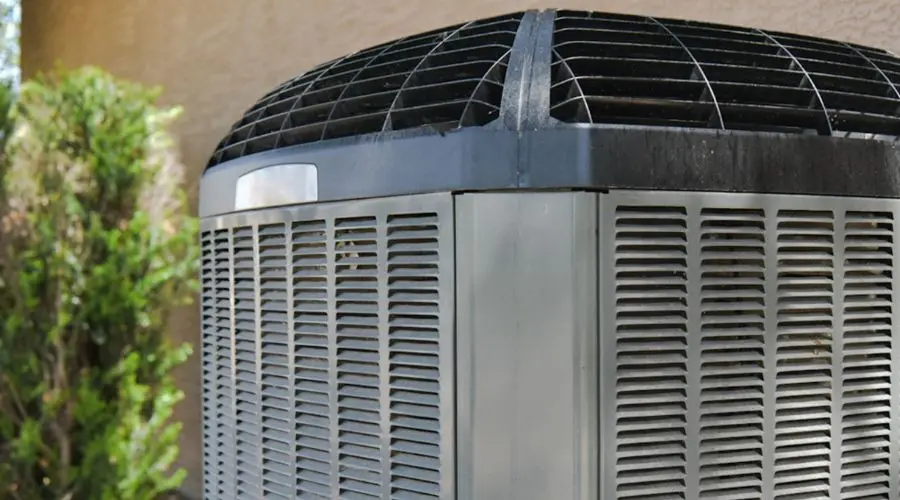
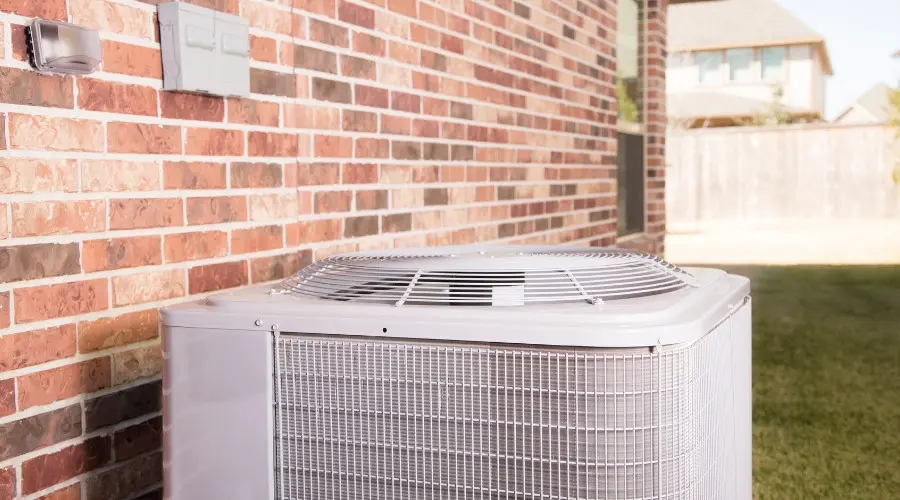
Air conditioning unit installed outside a home, adjacent to a brick wall, representing essential HVAC solutions for residential comfort.

Important Air Conditioning Basics to Know

Air Conditioning Basics is a go‑to guide for smart, energy‑efficient cooling solutions. When rising energy bills and sweltering rooms become routine, these tips offer actionable ways to turn a house into a refreshing haven, assisting in the choice between AC systems, and offering expert guidance on the need for repairs and maintenance. 

Common Types of Air Conditioning Systems
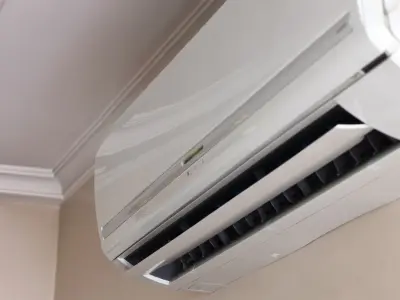
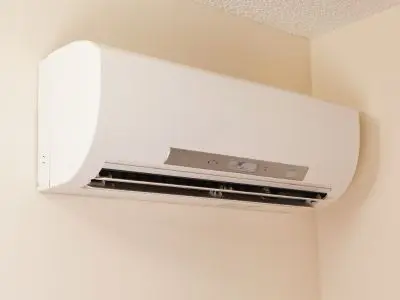
Ductless mini split air conditioning system mounted on a wall, illustrating energy-efficient cooling solutions in residential settings.A central AC system remains the most common whole‑home solution in the U.S., using ductwork to distribute cooled air from a single outdoor unit to every room. A central air conditioner is often a strong fit for larger homes with existing ducts and integrates well with many heating setups. Central systems also centralize control at one thermostat for consistent, whole‑home management.

By contrast, a ductless mini split system is gaining momentum for zoned comfort and installation flexibility. A ductless mini split connects one outdoor unit to one or more indoor air handlers via a small conduit—no full‑home ducting required. Targeted room-by-room control can lower operating costs compared to some ducted configurations because a ductless mini-split air conditioner avoids energy losses associated with leaky or uninsulated ducts. In older homes without ductwork, additions, or areas where ducts are impractical, a ductless mini split often offers an efficient, minimally invasive alternative.

Ultimately, the best fit depends on floor plan, existing infrastructure, and budget. While upfront investment varies, long-term operating costs frequently favor right-sized, well-maintained equipment—regardless of whether cooling is delivered by a central air conditioning system or a ductless mini-split system.

Signs an AC Unit Needs Repair

Cooling equipment often signals the need for AC repair before a full breakdown occurs. Unusual noises—such as grinding, squealing, or banging—indicate mechanical wear that warrants prompt air conditioner repair. Uneven temperatures, weak airflow, or failure to reach the setpoint can indicate refrigerant issues, failing compressors, or thermostat problems that require diagnosis.

Rising energy bills without increased usage often indicate declining efficiency. Common culprits include worn components, missed air conditioner maintenance, or restricted airflow from a clogged filter—making routine air filter replacement essential. Short cycling (frequent on/off operation), musty or electrical odors, and warm air from vents during a cooling call are additional red flags. Moisture or ice around the indoor unit, excessive condensate, or frost on refrigerant lines should be addressed promptly with professional AC repair to prevent more severe failures.

The Importance of Maintenance
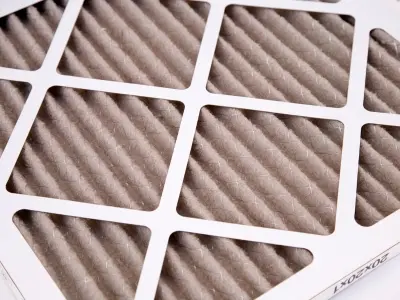
Air conditioning filter showcasing dust buildup, emphasizing the importance of routine air filter replacement for optimal HVAC performance and indoor air quality.Regular AC maintenance functions like an annual checkup for the entire cooling system. Industry data indicates that timely air conditioner maintenance can reduce energy consumption and extend equipment life. Typical professional service includes checking refrigerant levels and pressures, cleaning condenser and evaporator coils, inspecting electrical connections, testing safety controls, verifying thermostat calibration, and examining ductwork for leaks. A comprehensive tune-up helps stabilize capacity and keeps a central air conditioner or ductless mini-split operating closer to peak performance throughout the season.

Between professional visits, a few simple tasks have an outsized impact. Air filter replacement (typically every 1–3 months, depending on dust levels, occupancy, and the presence of pets) maintains airflow, protects coils, and supports optimal indoor air quality. Skipping air filter replacement forces the system to work harder, resulting in increased energy use and accelerated wear. Consistent AC maintenance, paired with timely air conditioner repair when symptoms arise, reduces emergency calls, improves comfort, and helps either a central AC system or a ductless mini-split air conditioner deliver efficient, reliable cooling all summer long.

About Mid Florida A/C

Mid Florida A/C is a family-owned and operated AC and heating company serving the communities of DeBary and neighboring areas. They’ve held an A+ rating with BBB for over 37 years and provide friendly professionalism and extended warranties. Call today for expert AC services throughout DeBary, FL.

Distribution Links +

Important Air Conditioner Replacement Basics for Homeowners to Know

Air conditioning unit outdoors, showcasing cooling system features, relevant to air conditioning replacement and installation services.

A Guide to Air Conditioning Replacement

Households don’t have to wait until their air conditioners break down and the home loses cooling in the hottest months of the year to get air conditioning replacement. Warning signs indicating AC replacement is needed can signal to homeowners to call professionals, allowing replacement to be done before people are stuck in a hot and uncomfortable home. 

This post will discuss some important things for homeowners to know about air conditioner replacement, including signs that it’s needed, the advantages of replacing an old AC unit, and choosing a new air conditioning system to install by discussing the differences between a ductless mini-split system and a central AC system. 

Signs Air Conditioner Replacement Is Needed

When homeowners are able to recognize the signs that indicate an air conditioner replacement is needed and call a technician to inspect and replace it if needed, it can help avoid uncomfortable summer days and unexpected breakdowns. Several clear indicators suggest the AC unit has reached the end of its useful life and needs replacing.

The age of an air conditioning system serves as the most telling factor. Units older than 10 years old operate at reduced efficiency and can start to slow down. Most air conditioners last 10 to 20 years, so if it’s older than 10 years and has any issues, it likely needs to be replaced. Because air conditioners lose efficiency as they age, high energy bills could also indicate that AC replacement is needed.

Furthermore, if homeowners need to schedule AC repair visits with increasing frequency, it's time to consider replacement. Paying to repair older air conditioners may not be worth the investment, making replacement the more cost-effective choice. Additionally, any problems cooling the home, such as inconsistent cooling, warm air coming from vents instead of cool air, hot spots throughout the home, and more, are warning signs of problems that may require air conditioning repair or replacement.

Advantages of Replacing an Old Air Conditioner 

Piggy bank with coins on a table, symbolizing savings and financial benefits of replacing an old air conditioning unit for energy efficiency and cost reduction.Replacing an old AC unit and investing in a new air conditioner installation can deliver several benefits. Modern AC units can operate at significantly higher efficiency ratings than older ones manufactured even just 10 years ago. Additionally, air conditioners become less efficient as they age. Therefore, replacing an old air conditioner with a new, energy-efficient one can enhance energy efficiency and lower monthly energy bills, ultimately saving homeowners money.

Installing a new cooling system can also help enhance indoor comfort, especially when the older air conditioner was experiencing problems affecting its cooling performance. This can provide consistent temperature control throughout the home, eliminating hot and cold spots or cooling problems that are more common with aging systems. Another advantage of replacing an outdated air conditioner is eliminating the cycle of costly repairs. New AC systems will operate more reliably and have a lower risk of experiencing issues that require air conditioner repair, helping avoid discomfort and saving on repair costs. 

The improved technology of modern air conditioners can also provide superior air filtration capabilities, removing more airborne particles and allergens from inside the home. This indoor air quality enhancement is particularly valuable for households with individuals who suffer from allergies or respiratory conditions. Additionally, AC replacement presents the perfect opportunity to resize the unit if the existing AC unit was incorrectly sized for the home, which is an issue that can lead to performance problems, inefficiency, and premature system failure.

Choosing a Type of AC System for the Home

Ductless mini-split air conditioning system mounted on a wall, illustrating modern cooling technology for home comfort and efficiency.When planning an air conditioner installation or replacement, one of the most important decisions to make is selecting between a ductless mini-split AC system and a central air system. Each cooling solution offers distinct advantages, so it’s important for homeowners to know their differences to help them select the best option for their home and needs.

Central air conditioning systems remain a popular choice for many homeowners due to their lower initial installation costs. These whole-house cooling systems utilize ductwork to distribute cool air evenly throughout the home, ensuring the entire house maintains a consistent temperature. However, these systems are less efficient than ductless mini-splits due to energy losses in the ducts, resulting in higher cooling costs.

On the other hand, a ductless mini-split air conditioner is more energy-efficient since it doesn't use ductwork, thereby avoiding the energy losses associated with air ducts in central forced-air systems. So, although they have a higher initial cost, they can provide lower monthly energy bills. Additionally, when a ductless mini split system has multiple indoor units, it allows for zone-specific cooling capabilities. Many homeowners find that the flexibility of cooling rooms and zones to different temperatures with mini-splits provides both comfort improvements and energy savings, as unoccupied rooms don’t have to be set to the same temperature as the rest of the home. 

About Mid Florida A/C

Mid Florida A/C has been serving the DeBary community since 1980. They provide personalized solutions, extended warranties, and prompt arrival. Call them for air conditioner replacement and installation services in DeBary, FL.

Distribution Links +

Important Air Conditioning Basics

Air conditioning unit positioned outdoors, showcasing HVAC system relevant to Mid Florida A/C's maintenance and repair services for homes in DeBary, FL.

An Overview of Air Conditioning Systems, Signs They Need Repair, and Their Maintenance 

In Florida, a house isn’t a home without a functioning AC system. These systems play an extraordinary role in regulating indoor air quality and humidity and keeping homes cool and comfortable. However, homeowners should know some basic things about their air conditioning units to ensure everything runs smoothly. Here, one can learn important information about air conditioning, including common types, signs repair is needed, and maintenance.  

What Are Common Types of In-Home Air Conditioners?nbsp;

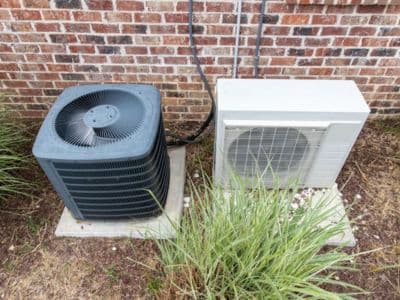
Central air conditioning unit and ductless mini-split system installed outside a home, surrounded by grass, illustrating common air conditioning types for residential use.Every home has its own needs, and different homes may have different AC systems to meet them. Two of the most common types of air conditioners found in homes include: 
  • Central air conditioners: These systems rely on a centralized unit and ductwork to distribute cool air throughout the home. On average, these systems can last about 15 years with proper maintenance. 
  • Ductless mini split air conditioners: As the name suggests, ductless mini splits don’t have ductwork, making them very efficient. They cool in zones throughout the house, giving greater flexibility by allowing different zones to be set to different temperatures. These units can also hit the 15-year mark. 

What Are the Signs That an AC Unit Needs Repair?nbsp;

It’s crucial for homeowners to be aware of signs that AC repair is needed to prevent the issue from getting worse and potentially causing the unit to break down. The air conditioning may need repair if: 

  • Energy bills are higher than normal
  • The home doesn’t get to the desired temperature
  • Airflow is weak, or there is uneven cooling throughout the home
  • There’s a frozen AC coil
  • The system is noisier than usual
  • There is high humidity indoors

Homeowners should have a professional inspect their system if they notice these signs to determine if air conditioner repair is necessary. 

Maintain the Air Conditioner 

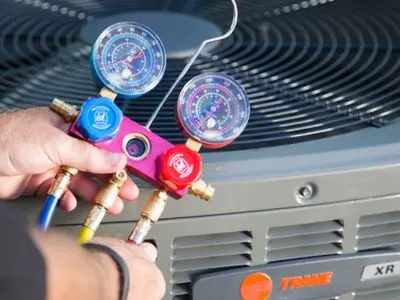
Technician using gauges on an air conditioning unit for maintenance and repair, highlighting HVAC service and efficiency.Professional AC maintenance is the best way to keep an air conditioner running efficiently and prevent costly repairs. An experienced technician will inspect the unit, clean and replace filters, and perform other necessary maintenance tasks. This can extend the life of the AC unit and reduce energy bills. Some of the benefits of professional AC maintenance include the following:

  • Increased efficiency: A well-maintained AC unit will use less energy, which can save money on utility bills
  • Reduced risk of breakdowns: Regular maintenance can help to identify and fix potential problems before they cause a breakdown
  • Extended lifespan: A well-maintained AC unit will last longer than one that is not properly cared for

About Mid Florida A/C 

Mid Florida A/C has over 40 years of experience serving DeBary and the surrounding areas. They offer personalized service, extended warranties, and prompt arrival. Call them today for air conditioning repairs or maintenance in DeBary, FL.

Distribution Links +