

Best Practice Tips to Maintain Good Air Quality at Home

Maintaining good air quality in your home is key to maintaining a healthy and happy household. Believe it or not, the concentration of pollutants can be two to five times higher indoors than outdoors, according to the Environmental Protection Agency.
Considering we spend most of our time inside, poor air quality can contribute to a number of health problems, including respiratory infections, sinus infections, asthma attacks and allergy attacks.
Thankfully, there are a number of ways Melbourne, FL homeowners can cut down on the amount of pollution we bring into our abodes. Here are some tips to maintain good air quality at home.
Get Rid of Any Toxic Cleaning Products
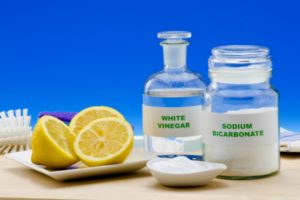 Many of us use a variety of cleaning products—soaps, detergents, bleaching agents, polishes, fragrances and specialized cleaners—that contain harsh chemicals in order to achieve the perfect shine.
The ammonia, chlorine, phosphates and petroleum-based compounds found in many of the bottles we keep in our closets or under the sink greatly contribute to high toxicity levels.
These products can cause burns and irritation of skin, eyes, nose and respiratory systems. These days, it's easy to replace traditional cleaning products with eco-friendly alternatives.
Stores often stock cleaners that don't include harmful ingredients. Avoid products that have warning labels about poison and corrosion. Consider home-made remedies, such as cleaning solutions with water, baking soda, vinegar or lemon.
Plants Can Act as Natural Air Filters
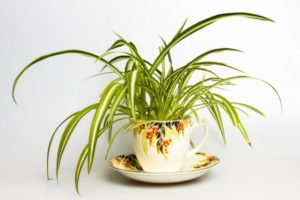 Bringing nature indoors is another effective way of increasing the air quality in your home. Houseplants act as natural air purifiers and offer some protection against airborne toxins.
This can be especially beneficial if somebody in your household suffers from respiratory problems. The more plants, the better off they will be.
Some of the most effective houseplants at cleaning up the air include the Peace Lily, Lady Palm, Bromeliad, Dracaena, Boston Fern, Spider Plant, Jade Plant and Aloe Vera.
Bring Fresh Air into the House
 Perhaps the easiest and most inexpensive way to increase indoor air quality is by opening windows and ventilating the air in your home.
Cooking, especially when using a gas stove, can be a major source of air pollution, so it's important to ventilate your kitchen.
Ventilating also reduces moisture levels, which can be a major source of poor indoor air quality. If your bathroom has a fan, make sure to use it when you bathe to vent out all of the steam and avoid mold and mildew growth.
If you're concerned about outdoor pollution getting inside your home, you can invest in trickle vents to safely cycle your air supply or exhaust fans to expel any bad air indoors.
Change the HVAC Filter Regularly
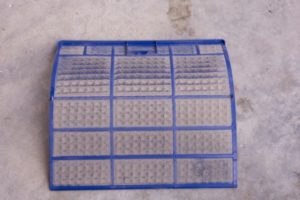 For many homeowners, the filter in their heating and air conditioning systems can act as a first line of defence against any harmful particles that may circulate throughout a home.
Installing a fresh filter on a regular basis can prevent any dust, spores and debris from circulating and reaching every corner of your household.
A clogged and dirty filter won't be able to trap any contaminants. It would also make it more difficult for air to pass through your HVAC system and make it less energy efficient.
We recommend checking the filter every few months to determine whether or not it needs to be replaced. Poor indoor air quality can be problematic, especially if anybody under your roof suffers from a respiratory problem. But the above steps can help you clean up your home at a low cost.